Play Your Way or Not at All: How Smart Difficulty Design Is Changing the Action Game Landscape
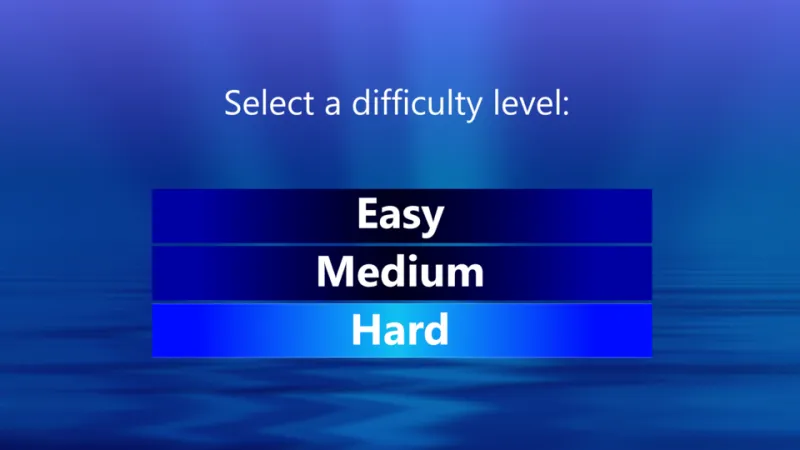
Photo: Belbury, CC BY-SA 4.0, via Wikimedia Commons
For a long time, the difficulty screen in an action game was basically a handshake deal. Easy, Normal, Hard — pick one, live with it, and don't complain. If the game crushed you, well, that was kind of the point. But something has been quietly shifting under the surface of the industry, and it's got nothing to do with making games easier. It's about making them smarter.
Modern action titles — from indie darlings to AAA juggernauts — are rolling out difficulty systems that go way beyond a simple dropdown menu. We're talking about granular controls that let players tune enemy aggression, tweak damage multipliers, slow down parry windows, or toggle full assist modes that catch you mid-fall. And the conversation around these systems has gotten genuinely interesting.
The Old Guard vs. The New Thinking
There's a vocal corner of the gaming community that still sees difficulty options as a kind of betrayal. The argument usually goes something like: if you can turn down the heat, you're not really cooking. But that framing misses what these systems are actually doing.
Take Celeste, the indie platformer that became a quiet revolution in accessibility design. Its Assist Mode lets players slow the game's speed, add extra dashes, or turn on invincibility — but it doesn't hide these options or shame players for using them. The game explicitly tells you: this is your experience, shape it. Critically, none of that diluted the core fantasy of climbing a mountain and overcoming something genuinely hard. Players who wanted the brutal original experience got it. Players who needed a different path to the summit got that too.
That's the sweet spot developers are chasing right now, and it's harder to hit than it sounds.
When It Works — and When It Doesn't
Not every implementation lands cleanly. Some games bolt on difficulty sliders as an afterthought, and it shows. Drop enemy health by 50% in certain titles and the combat system completely falls apart — encounters designed around specific damage thresholds suddenly feel like you're swinging at cardboard. The action fantasy evaporates because the design never accounted for the variable.
On the other end of the spectrum, games like Hades baked difficulty customization directly into the fiction itself. The God Mode mechanic — which grants increasing damage resistance after each death — doesn't feel like a cheat code because the game never pretends it's anything other than a systemic option. It's woven into how the world operates. Players who use it still experience the full narrative, the full combat loop, the full emotional arc. They just don't hit a wall that sends them back to the title screen indefinitely.
Developers who get this right tend to share a common philosophy: difficulty isn't a single dial, it's a collection of interlocking systems. Tweaking one without understanding how it connects to the others is how you end up with a broken experience at either extreme.
The Accessibility Angle Nobody Wants to Skip
Here's where the conversation gets a little more serious. A significant portion of the US gaming population — millions of players — live with disabilities that affect how they interact with games. Motor impairments, visual processing differences, cognitive load challenges — these aren't edge cases. They're a huge part of the audience that action games have historically left at the door.
Customizable difficulty systems, when designed thoughtfully, function as genuine accessibility tools. The ability to slow combat timing doesn't just help a casual player who's struggling — it can be the difference between someone with a motor impairment being able to experience a game at all. That's not a small thing.
Studios like Naughty Dog set a widely-discussed benchmark with The Last of Us Part II, which shipped with one of the most comprehensive accessibility suites ever seen in a major action release. High contrast modes, customizable control remapping, and adjustable combat timing options meant that the game could reach players who would have been completely locked out of it otherwise. The action didn't get watered down. The story didn't get compromised. More people just got to play it.
The Developer's Dilemma
Building these systems isn't free. It takes design time, QA resources, and a willingness to interrogate your own game's assumptions from the ground up. For indie studios working with tight budgets, that's a real tension.
But the payoff is increasingly hard to argue against. Games with robust difficulty and accessibility options tend to generate more word-of-mouth, reach broader demographics, and build the kind of loyal communities that sustain a studio long after launch. In a market where discoverability is everything, giving players ownership over their experience is a genuine competitive advantage.
The studios getting this right aren't thinking about difficulty settings as a concession. They're thinking about them as a design feature — something that extends the life and reach of their game without compromising the core of what makes it worth playing.
Unchaining the Experience
At the end of the day, the best action games have always been about the feeling of power — of overcoming, of mastering something that pushed back. Customizable difficulty systems, when done right, don't undercut that feeling. They make it available to more people.
The player who clears a brutal boss rush on the hardest setting and the player who finally makes it through with assist mode on are both feeling something real. Both earned their moment. The game didn't hand them anything — it just stopped locking the door.
That's not a compromise. That's the whole point.